Diamond Kite Making: Bamboo Spars, Plastic Sails & Tail Balancers
Construct traditional diamond and sled kites from trash bags, bamboo skewers, and ribbon tails that soar 100 feet high.

Aerodynamic Lift, Bridle Angle & Tail Drag Stability
Scientific Insight
Kites fly because the bridle holds the sail tilted at an upward angle of attack relative to incoming wind, deflecting air downward and generating aerodynamic lift. The tail creates drag that prevents tumbling.
Ecological Value
Inspires deep appreciation for wind energy and avian soaring dynamics.
Developmental Skills & Physical Milestones
Cross-Spar Symmetrical Lashing
Fastening the horizontal cross-spar at precisely a 90-degree right angle to the vertical spine.
Bridle Tow-Point Tuning
Adjusting the bridle knot angle so the kite balances upward at the optimal 15-to-20 degree angle of attack.
Line Tension Kinesthetic Feel
Feeling wind gusts through flying line tension and spooling out line during updrafts.
Gather materials from nature, your recycling bin, or household kitchen supplies before heading outdoors.
- Lightweight plastic trash bag (high-density polyethylene) or ripstop nylon
- 2 wooden dowels or bamboo skewers (one 24 inches, one 18 inches)
- Electrical tape or reinforced packing tape
- Braided nylon or polyester flying kite line on a spool handle (100 feet)
- Lightweight ribbon or strips of plastic bag (6 to 8 feet long for tail balancer)
- Scissors, ruler & marker
Step-by-Step Play Blueprint
Follow these 5 guided steps. Let your child take the lead in modifying and experimenting with the rules as play unfolds.
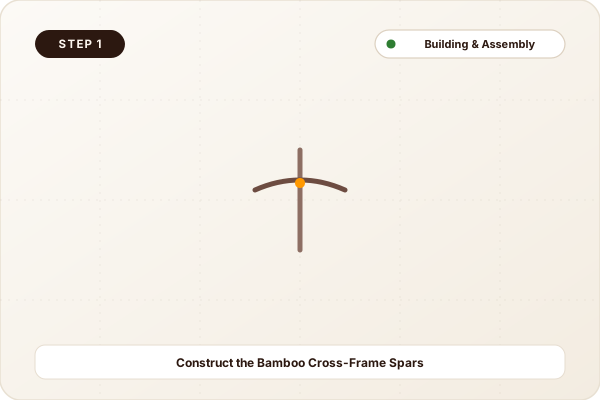
Construct the Bamboo Cross-Frame Spars
Lay the 24-inch vertical spine dowel down. Cross the 18-inch horizontal spar over it at 1/3 from the top (forming a cross). Lash tightly with string and secure with tape.
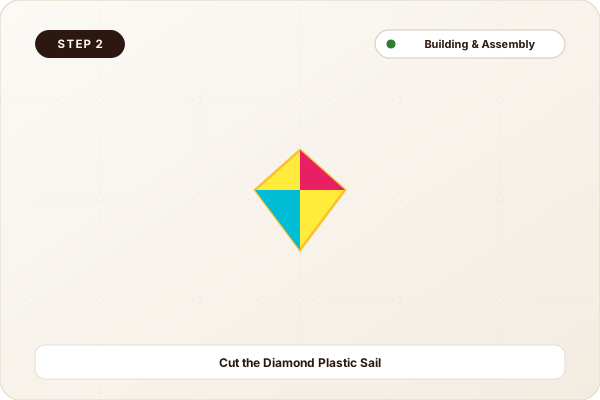
Cut the Diamond Plastic Sail
Lay the spar cross onto a flat plastic trash bag. Cut out a diamond shape leaving a 1-inch border around the tips. Fold the plastic border over the frame and tape securely.
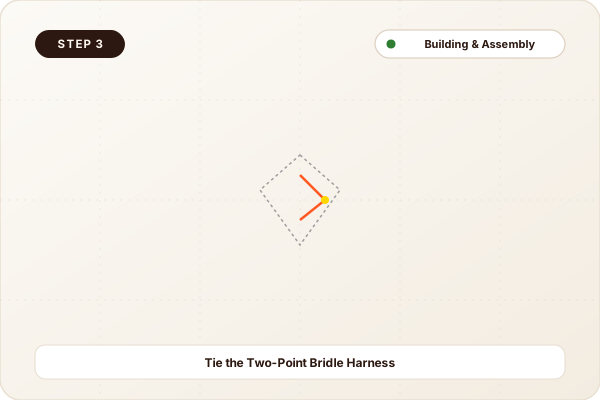
Tie the Two-Point Bridle Harness
Poke small holes in the sail at the spar intersections. Tie a 30-inch bridle line from the top intersection to the bottom. Tie a loop knot in the bridle slightly above the center.
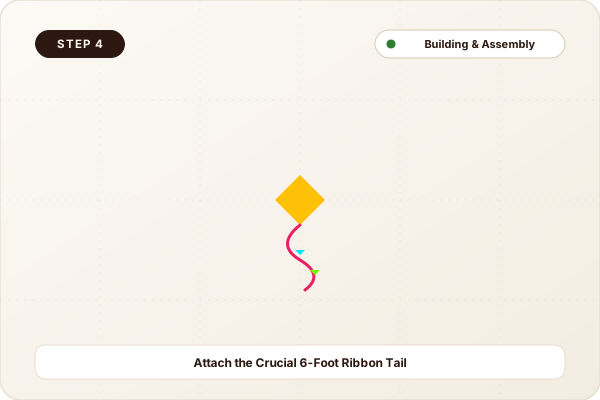
Attach the Crucial 6-Foot Ribbon Tail
Tie lightweight ribbon or strips of plastic bag (6 to 8 feet long) to the bottom tip of the vertical spine. Add small folded paper bowties along the tail.
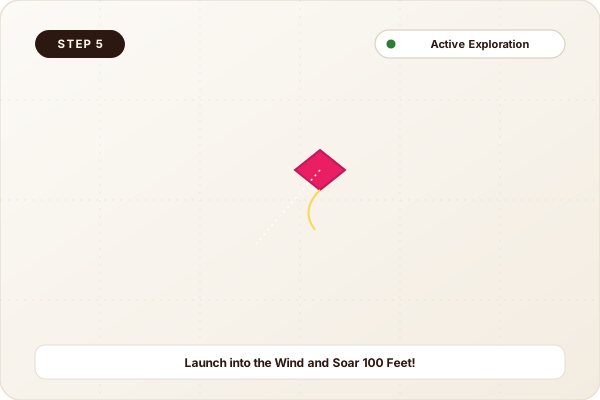
Launch into the Wind and Soar 100 Feet!
Go to an open park with an 8–15 mph steady breeze. Stand with your back to the wind, have a partner hold the kite 30 feet downwind, pull tight, and let go: watch it soar into the sky!
NEVER fly kites near overhead powerlines, during thunderstorms, or near busy roads. Fly only in open grass parks or beaches.
Fostering Autonomy & Calculated Risk
Flying a kite you built with your own hands is an incomparable childhood high. The moment the kite catches a thermal and tugs on the spool is sheer exhilaration.
More Outdoor & Garden Activities
View All 65
DIY Backyard Weather Stations: Rain Gauges, Vanes & Barometers

Shadow Stick & Stone Sundials: Solar Timekeeping Science