Photosynthesis & Soil Garden Science: Transpiration Bags & pH Tests
Trap plant transpiration vapor in plastic bags, test soil acidity with vinegar, and observe capillary xylem suction.
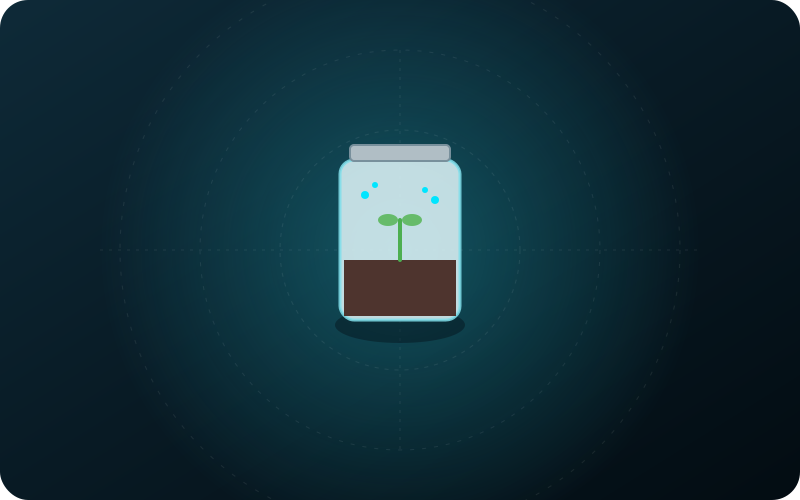
Transpiration, Capillary Cohesion & Soil Acidity
Scientific Insight
Plants pull water hundreds of feet from roots to canopy leaves via transpiration pull and water molecule cohesion-tension in xylem vascular tubes. Soil pH dictates mineral bioavailability.
Ecological Value
Appreciating how plants act as planetary lungs, recycling moisture and absorbing greenhouse carbon dioxide.
Developmental Skills & Physical Milestones
Scientific Variable Isolation
Testing bagged leaves in direct sunlight vs. shaded leaves to compare transpiration condensation rates.
Chemical Effervescence Observation
Watching soil fizz when vinegar is added (alkaline soil) vs. baking soda slurry (acidic soil).
Vascular Capillary Tracking
Watching colored dye travel up celery xylem vessels over 4 hours.
Gather materials from nature, your recycling bin, or household kitchen supplies before heading outdoors.
- Clear ziplock sandwich bags & twist ties (for transpiration test)
- White vinegar and baking soda (for soil pH test)
- Fresh celery stalks with leafy tops or white carnation flowers
- Red and blue food coloring & clear glass cups
- Garden soil samples & clean glass mason jars
Step-by-Step Play Blueprint
Follow these 5 guided steps. Let your child take the lead in modifying and experimenting with the rules as play unfolds.
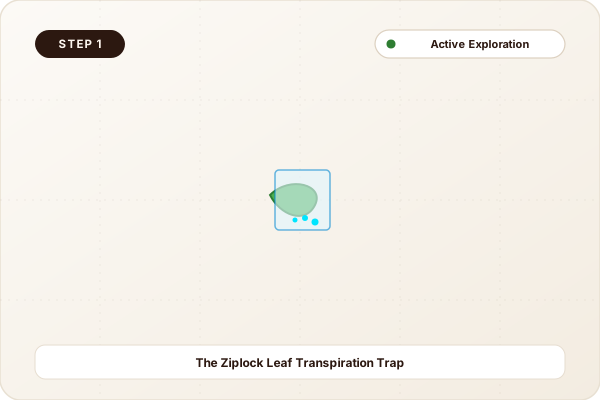
The Ziplock Leaf Transpiration Trap
Slip a clear ziplock bag over a leafy green branch of a sunny tree or shrub. Seal tightly around the stem with a twist tie. Check back in 2 hours: the bag is drenched in liquid water droplets!
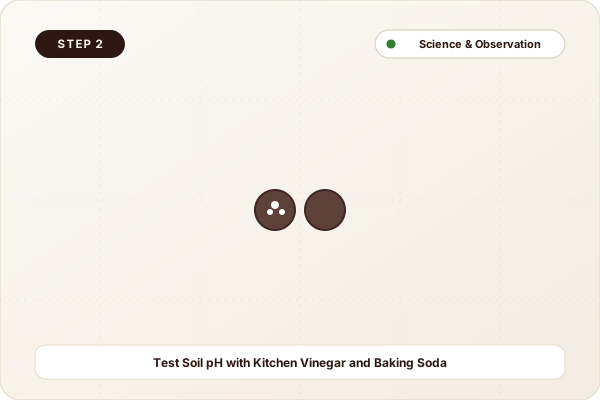
Test Soil pH with Kitchen Vinegar and Baking Soda
Put 2 tablespoons garden soil in two dishes. Add 1/2 cup vinegar to Dish 1: if it fizzes, your soil is alkaline! Add water and baking soda to Dish 2: if it fizzes, your soil is acidic!
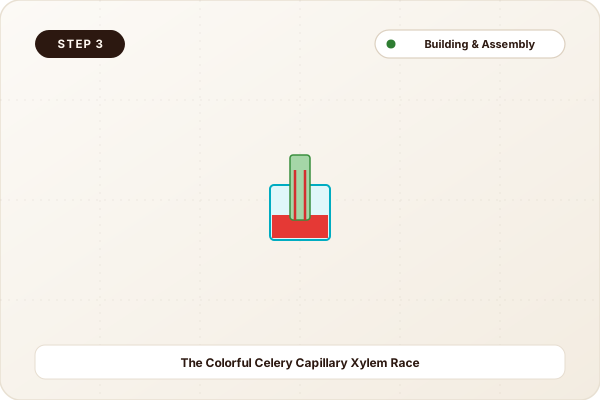
The Colorful Celery Capillary Xylem Race
Place a fresh celery stalk with leaves into a glass of water heavily dyed with red food coloring. Within 4 hours, watch red dye climb up vascular ribs and turn leaf tips crimson!
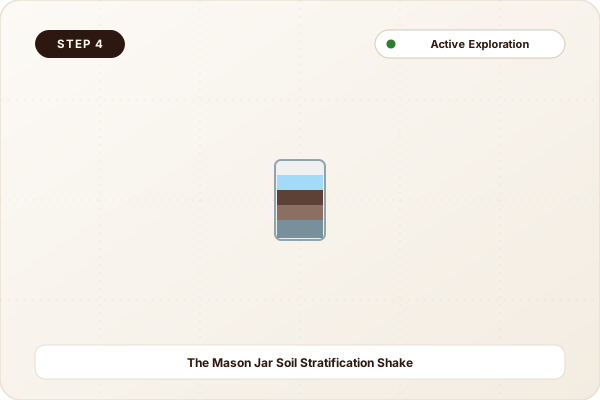
The Mason Jar Soil Stratification Shake
Fill a glass jar 1/3 with garden soil and 2/3 with water. Shake vigorously for 60 seconds and place on a shelf. Over 24 hours, layers settle out: heavy sand at the bottom, silt in the middle, clay on top, and organic humus floating!
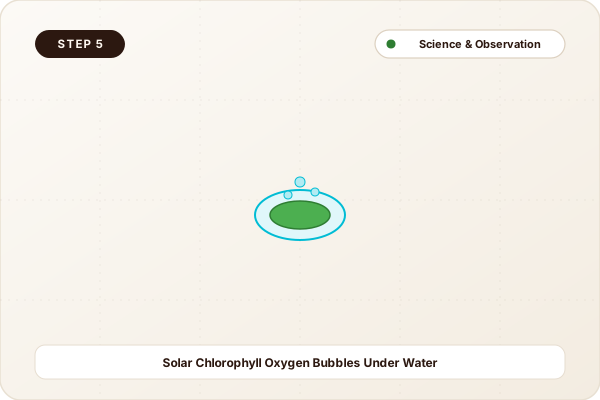
Solar Chlorophyll Oxygen Bubbles Under Water
Submerge a freshly picked green leaf in a clear bowl of water in bright direct sunlight. Within 1 hour, watch microscopic oxygen bubbles form all over the leaf underside: you are watching photosynthesis produce oxygen in real time!
Wash hands thoroughly after handling soil samples. Never taste experimental plant liquids.
Fostering Autonomy & Calculated Risk
These classic experiments make the invisible biology of plants visible. Seeing oxygen bubbles form on a leaf in sunlight gives children a firsthand encounter with the engine of all life on Earth.
More Outdoor & Garden Activities
View All 65
DIY Backyard Weather Stations: Rain Gauges, Vanes & Barometers

Shadow Stick & Stone Sundials: Solar Timekeeping Science