Botanical Nature Journaling: Watercolor Field Studies & Phenology
Document seasonal wildlife shifts with hand-bound field journals, watercolor sketches, and taped specimens.

Phenology & Mindful Biological Documentation
Scientific Insight
Phenology is the study of periodic biological life-cycle events in response to seasonal climate changes (first spring bud, bird migration arrival, autumn leaf drop).
Ecological Value
Deepens personal intimacy with local landscapes and creates an enduring lifelong habit of naturalist observation.
Developmental Skills & Physical Milestones
Attentive Mindfulness Observation
Sitting silently for 15 minutes to study the exact curve of a poppy petal or the carapace of a beetle.
Three-Prompt Field Inquiry ("I notice, I wonder, It reminds me of")
Writing three structured observational prompts beside every drawn field specimen.
Fine Watercolor Wash Application
Blending light botanical green washes using portable water-brush pens.
Gather materials from nature, your recycling bin, or household kitchen supplies before heading outdoors.
- Heavyweight spiral mixed-media sketchbook or unlined field journal
- Travel watercolor paint set with water-brush pens
- Waterproof fine-liner ink pens and colored pencils
- Double-sided tape or washi tape (for securing fallen dried specimens)
- Magnifying hand lens & portable sit mat
Step-by-Step Play Blueprint
Follow these 5 guided steps. Let your child take the lead in modifying and experimenting with the rules as play unfolds.
Pack a Portable Outdoor Naturalist Satchel
Fill a small tote bag with your sketchbook, water-brush pen, travel watercolor palette, washi tape, and a light sit-pad so you can sit comfortably on damp grass.
Find a Dedicated "Sit Spot" in Nature
Choose one peaceful spot (under an old oak tree or by a garden flowerbed) to visit weekly. Sit quietly for 5 minutes before opening your journal to let wildlife resume normal activity.
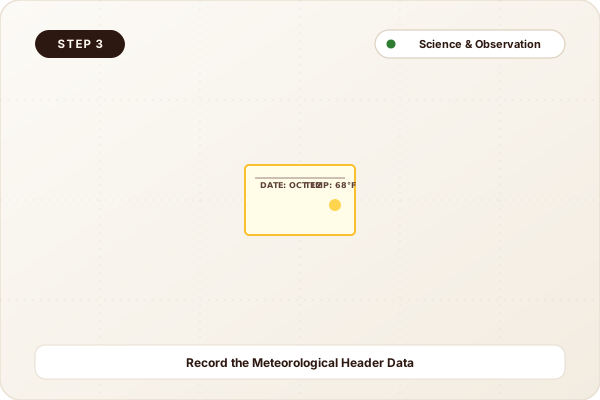
Record the Meteorological Header Data
At the top of the page, record field metadata: Date, Time, Location, Temperature, Wind direction, and Cloud cover with a tiny sketch.
Sketch One Botanical Specimen with Direct Focus
Select one fallen leaf, blooming flower, or pinecone. Sketch the outline with ink, paint with delicate watercolor washes, and tape a real dried sample beside the drawing using decorative washi tape.
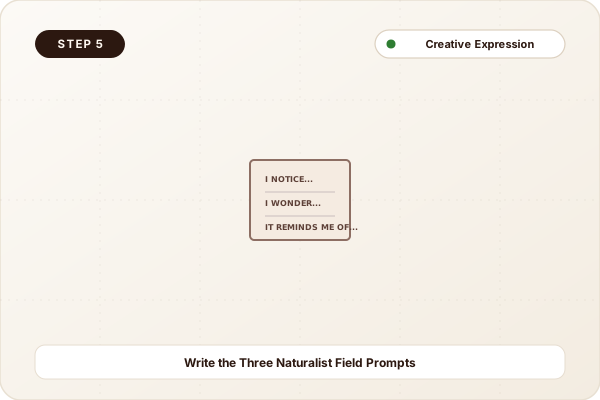
Write the Three Naturalist Field Prompts
Beside the sketch, write: "I notice..." (facts), "I wonder..." (scientific questions), and "It reminds me of..." (poetic metaphors).
Always stay alert to surroundings and check for ticks or ant hills before choosing a woodland sit spot.
Fostering Autonomy & Calculated Risk
John Muir Laws, pioneer of modern nature journaling, reminds us: "You do not need to be an artist; journaling is an intentional practice of paying attention." A childhood nature journal becomes an irreplaceable lifelong heirloom.
More Outdoor & Garden Activities
View All 65
Tactile Outdoor Sensory Play: Scent Potions & Texture Paths

Forest Flora & Pebble Nature Sorting: Taxonomy Trays