DIY Backyard Mud Kitchen & Sensory Messy Play Station
Build a tactile outdoor sensory kitchen using upcycled wooden crates, old pots, and natural botanical ingredients.

Soil Texture & Viscosity Transformations
Scientific Insight
Children witness how particle cohesion changes as dry loose loam absorbs water molecules, transitioning through slip, slurry, and moldable mud.
Ecological Value
Healthy soil contains harmless soil microbes like Mycobacterium vaccae that stimulate natural serotonin release in children.
Developmental Skills & Physical Milestones
Tactile Bilateral Hand Strength
Stirring thick viscous mud builds forearms, wrists, and hand muscle endurance.
Dramatic Narrative Play
Inventing recipes, mud pies, and potion soups promotes imaginative verbal expression.
Early Volumetric Estimation
Scooping, pouring, and measuring liquids into containers of various shapes and depths.
Gather materials from nature, your recycling bin, or household kitchen supplies before heading outdoors.
- Upcycled wooden crates or pallet table
- Old stainless steel pots, pans, and muffin tins
- Wooden mixing spoons and whisks
- Clean potting soil or topsoil
- Water jug or hose access
- Fresh garden clippings: rosemary, mint, flower petals, pebbles
Step-by-Step Play Blueprint
Follow these 5 guided steps. Let your child take the lead in modifying and experimenting with the rules as play unfolds.
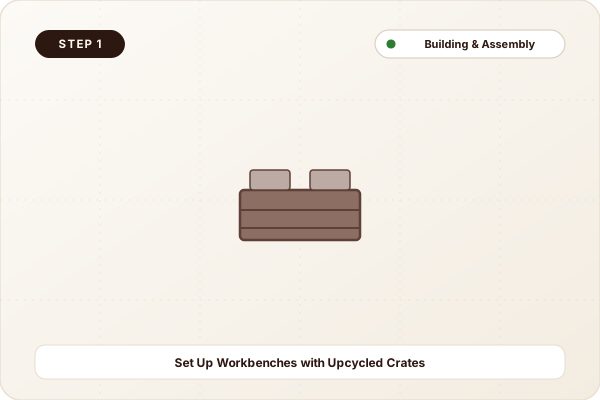
Set Up Workbenches with Upcycled Crates
Arrange two sturdy wooden pallets or crates upside down against a fence or wall to form a waist-height counter. Ensure edges are smooth and splinter-free.
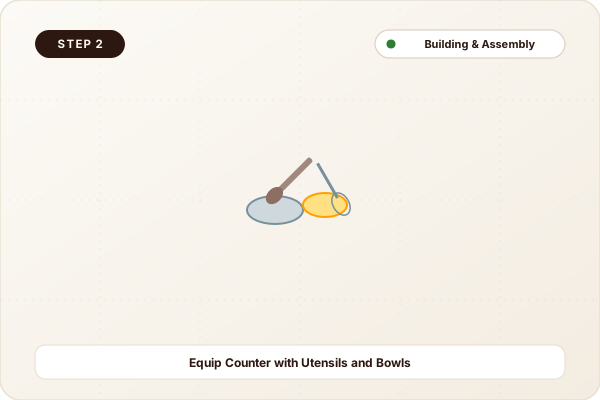
Equip Counter with Utensils and Bowls
Set out durable metal pots, ladles, spatulas, wooden whisks, muffin tins, and empty spice shakers gathered from thrift stores or kitchen recycling.
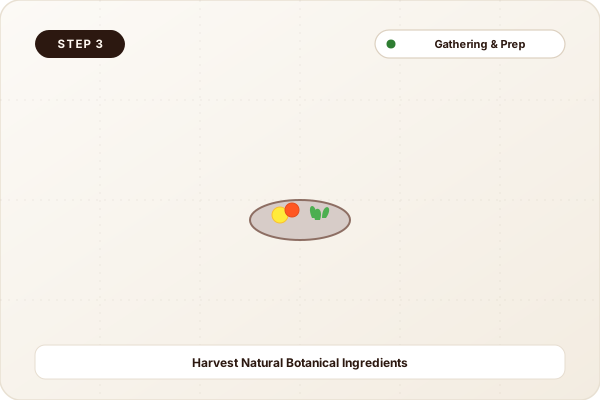
Harvest Natural Botanical Ingredients
Guide children to collect natural garnishes in small bowls: dandelion heads, fallen flower petals, pine needles, clover leaves, and smooth river pebbles.
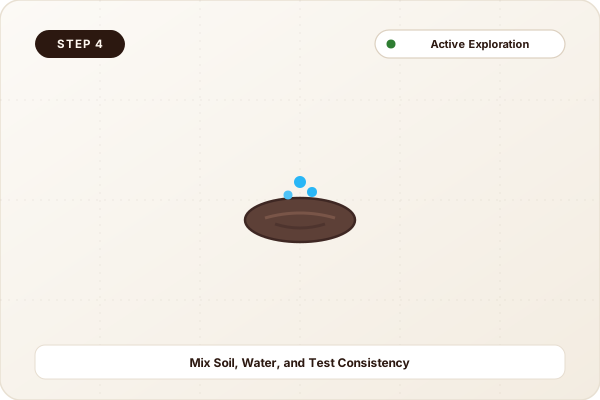
Mix Soil, Water, and Test Consistency
Fill a wide wash basin with topsoil. Let children add water from a watering can, observing how dust turns into gooey mud and thick moldable clay dough.
Bake Mud Pies and Herb Potions
Pack wet mud into muffin tins and pie pans, topping with bright flower petals and twig candles. Encourage children to present their creations to siblings or parents.
Use verified clean garden topsoil free of animal waste or chemical lawn fertilizers. Have a bucket of warm soapy water nearby for easy handwashing after play.
Fostering Autonomy & Calculated Risk
Embrace the mess! Mud kitchen play is renowned in Waldorf and Forest School methodologies for grounding overstimulated children and building immune health.