First Gardening for Kids: Soil, Sunshine & Sprouting Roots
Nurture responsibility and botanical science through a child’s very own starter flower and herb garden plot.
Plant Life Cycles & Autotrophic Nutrition
Scientific Insight
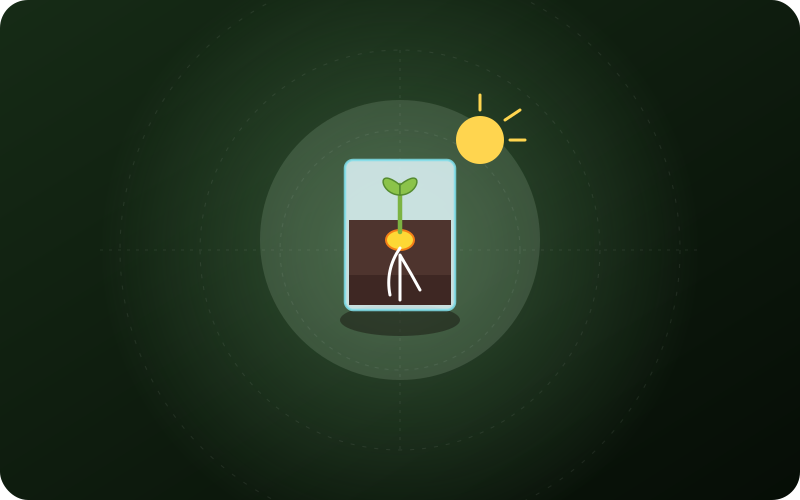
Green plants use chlorophyll to convert sunlight, carbon dioxide, and water into chemical sugars (photosynthesis), releasing vital oxygen.
Ecological Value
Teaches deep respect for food origins, pollinators, and the slow patient rhythms of nature.
Developmental Skills & Physical Milestones
Daily Care & Executive Responsibility
Checking soil moisture every morning and watering consistently without over-saturating.
Delicate Seed Handling
Pinching small seeds and placing them at appropriate soil depths without burying too deep.
Sensory Grounding & Patience
Working with rich dark earth calms overstimulated nervous systems through rhythmic digging.
Gather materials from nature, your recycling bin, or household kitchen supplies before heading outdoors.
- Child-sized hand trowel, fork and watering can with sprinkler rose
- Nutrient-rich organic potting soil or garden compost
- Fast-germinating seeds (sunflowers, radishes, sweet peas, marigolds)
- Wooden plant labels and waterproof garden markers
- Gardening gloves (cotton palm)
Step-by-Step Play Blueprint
Follow these 5 guided steps. Let your child take the lead in modifying and experimenting with the rules as play unfolds.
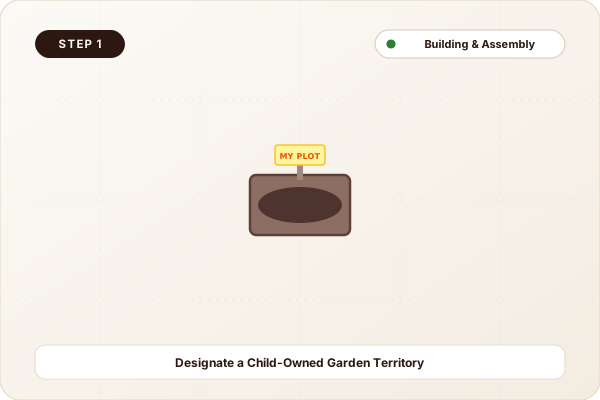
Designate a Child-Owned Garden Territory
Give your child their own marked 3x3 foot garden square or large wooden half-barrel planter. Let them write a customized name sign (e.g., "Maya’s Sprout Lab").
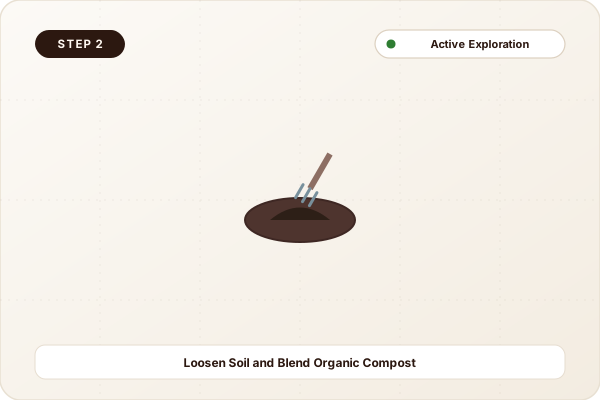
Loosen Soil and Blend Organic Compost
Show your child how to turn cloddy soil with a hand fork, breaking up hard lumps and blending in dark crumbly compost until the soil feels like chocolate cake crumbs.
Plant Big Seeds with Finger Dibbers
Poke finger holes into the soil up to the first knuckle (about 1 inch deep). Drop one sunflower or pea seed into each hole, cover gently with fine earth, and pat flat.

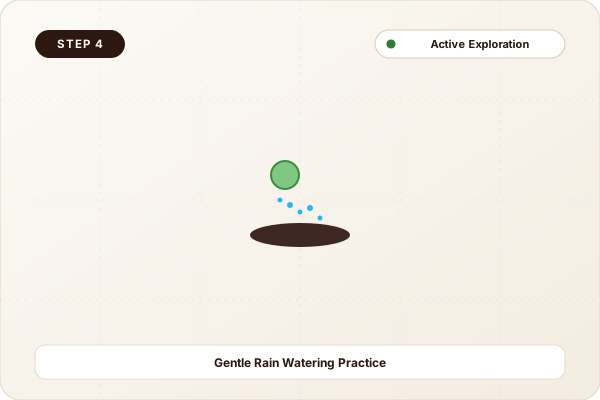
Gentle Rain Watering Practice
Fill a lightweight watering can fitted with a perforated rose spout. Teach children to shower the soil gently so seeds aren’t washed away by a torrential stream.
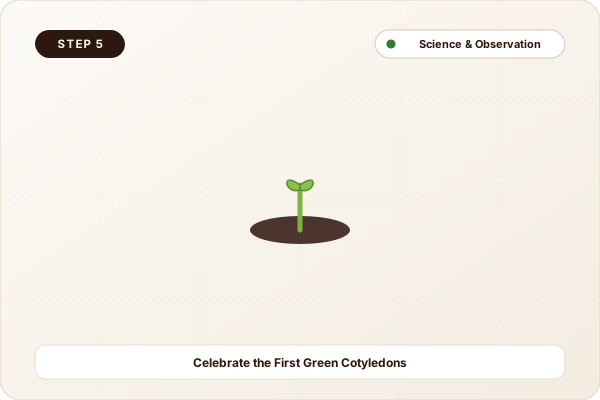
Celebrate the First Green Cotyledons
When green seed leaves (cotyledons) emerge through the dark earth, celebrate! Measure daily growth on a wooden ruler staked beside the stem.
Always wash hands after touching soil and compost. Keep organic liquid plant fertilizers stored safely out of reach of young children.
Fostering Autonomy & Calculated Risk
Gardening is the ultimate antidote to instant-gratification digital culture. When kids harvest sweet snap peas they grew from seed, they eat them with pure joy.