Sweet Nectar Butterfly Feeders: Fruit Plates & Sponges
Craft hanging nectar plates and overripe fruit stations to attract monarchs, swallowtails, and painted ladies.
Lepidopteran Proboscis Feeding & Mineral "Puddling"
Scientific Insight
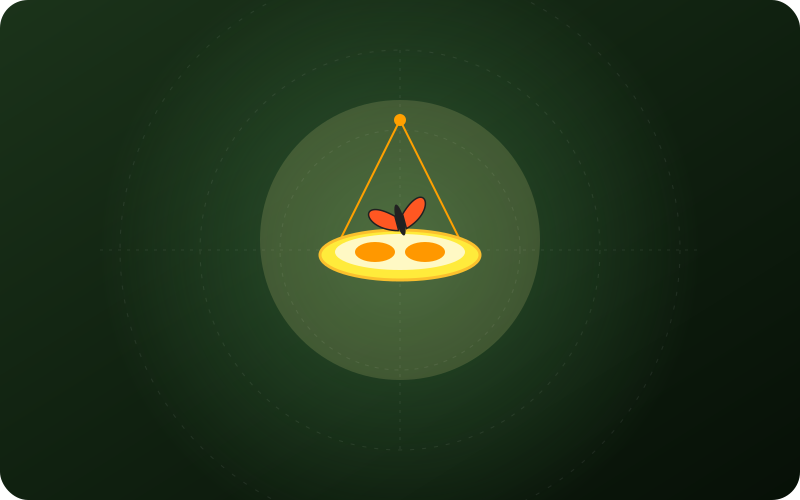
Butterflies cannot chew solids; they drink liquids through an unfurling coiled proboscis like a drinking straw. Male butterflies visit damp fruit and mud to absorb essential sodium and minerals ("puddling").
Ecological Value
Supports migratory species like Monarchs during their grueling multi-thousand-mile seasonal migrations.
Developmental Skills & Physical Milestones
Macrame Knotted Plate Hanger
Tying 3 or 4 twine strands into an overhand basket knot to cradle the saucer horizontally.
Precise Recipe Measurement & Boiling
Measuring 4:1 water-to-sugar ratio and learning about boiling point saturation.
Microscopic Proboscis Observation
Watching a butterfly uncurl its coiled proboscis to sip sweet nectar under magnifying lenses.
Gather materials from nature, your recycling bin, or household kitchen supplies before heading outdoors.
- Shallow plastic plant saucer or ceramic pie plate
- Natural jute twine or yarn (macrame hanger)
- Clean kitchen sponge (yellow or red color)
- Overripe fruit slices: bananas, watermelon, oranges, strawberries
- Sugar nectar solution (4 parts water to 1 part white sugar, boiled and cooled)
- Glass beads or colorful fake flowers (visual attractants)
Step-by-Step Play Blueprint
Follow these 5 guided steps. Let your child take the lead in modifying and experimenting with the rules as play unfolds.
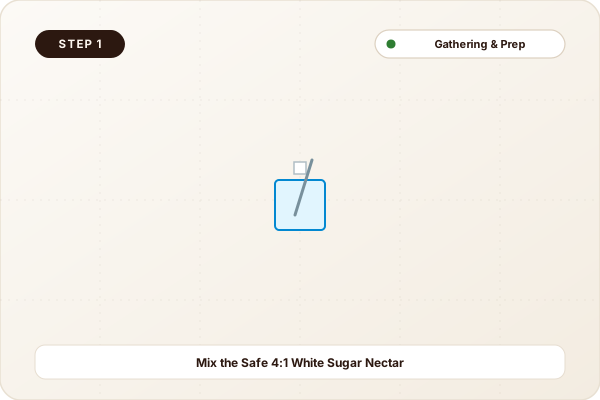
Mix the Safe 4:1 White Sugar Nectar
Stir 1/4 cup white granulated sugar into 1 cup boiling water until completely dissolved. Let cool completely to room temperature.
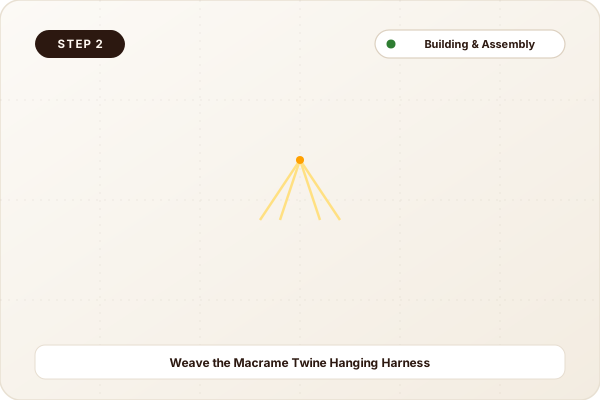
Weave the Macrame Twine Hanging Harness
Cut three 4-foot lengths of jute twine. Knot together at bottom, place plate in center, and tie knots around the rim to form a balanced three-point hanging cradle.
Prepare the Overripe Sweet Fruit Buffet
Slice very ripe or fermenting bananas, oranges, and watermelon. Place on the plate: butterflies love slightly fermented fruit because natural sugars are broken down.
Saturate the Center Nectar Sponge
Cut a clean yellow or pink cellulose sponge into a flower shape. Soak in the cooled sugar water and place in the center of the fruit plate.
Hang in Sunny, Sheltered Garden Spot
Hang the feeder 4 to 5 feet high in a sunny garden spot near flowering marigolds or lavender, sheltered from strong winds.
Rinse and replace fruit every 3 days to prevent fruit flies or mold growth in the hot summer sun.
Fostering Autonomy & Calculated Risk
Watching a majestic Monarch or Swallowtail land on a feeder your child crafted and unroll its delicate proboscis is an enchanting, breathtaking nature encounter.
More Outdoor & Garden Activities
View All 65
Sensory Nature Scavenger Hunts & Woodland Discovery Quests
Backyard Garden Scavenger Hunts: Micro-Ecosystem Detectives