Bamboo & Wood Insect Hotels: Mason Bee & Ladybug Habitats
Construct multi-story wooden wildlife towers packed with hollow bamboo tubes, pinecones, and drilled oak logs.
Solitary Native Bees & Overwintering Ecology
Scientific Insight
90% of native bees (like Mason and Leafcutter bees) are gentle solitary nesters who do not live in hives or produce honey; females lay eggs inside narrow hollow reeds, sealing chambers with mud or leaves.
Ecological Value
Provides critical overwintering refuges and nesting tubes in urban areas where dead wood has been cleared away.
Developmental Skills & Physical Milestones
Tactile Materials Sorting & Packing
Packing bamboo cylinders and pinecones tightly so friction holds all elements firmly in place.
Measurement & Diameter Discrimination
Sorting drilled holes and reed tubes to provide varied nesting sizes for diverse insect species.
Year-Round Ecological Stewardship
Monitoring mud caps on bamboo reeds to identify when female bees have laid eggs inside.
Gather materials from nature, your recycling bin, or household kitchen supplies before heading outdoors.
- Wooden wine crate, shallow wooden box or scrap cedar boards
- Hollow bamboo cane sections & hollow reed stalks (cut to 6-inch lengths)
- Untreated hardwood logs with holes drilled (diameter 4mm to 8mm, 5 inches deep)
- Pinecones, dry hollow straw & tree bark chunks
- Chicken wire or mesh screen (to protect from birds) & hanging bracket
Step-by-Step Play Blueprint
Follow these 5 guided steps. Let your child take the lead in modifying and experimenting with the rules as play unfolds.
Build or Repurpose the Outer Wooden Box Frame
Use a wooden wine crate or nail scrap cedar boards into a shadowbox with a 15-degree sloped roof to shed rain.
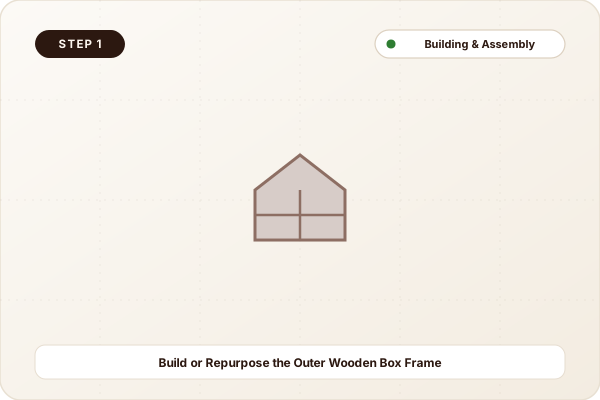
Drill Nesting Cavities in Hardwood Logs
Have an adult drill holes into untreated log rounds: drill 4mm, 6mm, and 8mm holes about 5 inches deep. Sand hole openings smooth so delicate bee wings aren’t torn.
Cut Hollow Bamboo Canes to Uniform Lengths
Cut hollow bamboo stalks into 6-inch pieces just behind a node so each tube has an open front and closed back. Clear pith from tube centers with a skewer.
Pack Varied Compartments for Different Species
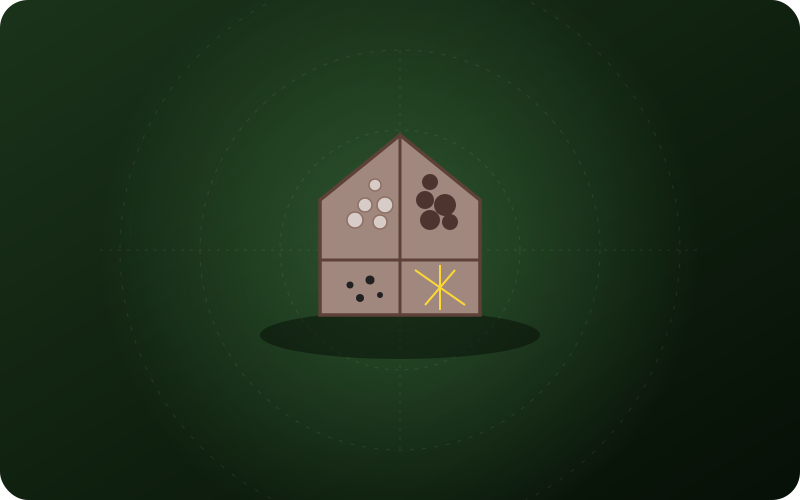
Divide the box into tiers: bottom tier = drilled logs (mason bees); middle tier = packed bamboo canes; top tier = pinecones and bark (ladybugs and lacewings).
Mount in a Sunny, South-Facing Garden Spot
Mount the bug hotel on a south or southeast-facing wall 4 to 6 feet above ground, sheltered from strong winds and catching morning sun to warm active bees.
All drilling and power sawing must be completed by adults. Ensure the hotel is mounted securely so it does not swing or fall in high winds.
Fostering Autonomy & Calculated Risk
Unlike honeybees, solitary mason bees have no hive or honey to defend and virtually never sting. Watching gentle bees plug holes with green leaf circles is captivating.
More Outdoor & Garden Activities
View All 65
Sensory Nature Scavenger Hunts & Woodland Discovery Quests
Backyard Garden Scavenger Hunts: Micro-Ecosystem Detectives