Backyard Bird Watching for Kids: Field Binoculars & Call ID
Set up a backyard bird sanctuary, build DIY cardboard binoculars, and track neighborhood songbird species.
Avian Adaptations & Seasonal Migration
Scientific Insight
Beak shapes are specialized tools: thick conical beaks crush seeds, slender curved beaks sip nectar, and sharp pointed beaks pluck insects.
Ecological Value
Supporting resident and migratory bird populations with clean water and nutritious native food sources in residential neighborhoods.
Developmental Skills & Physical Milestones
Acoustic Auditory Discrimination
Isolating bird chirps, trills, and territorial calls from background neighborhood traffic.
Visual Field Focusing
Holding binoculars steady, aligning optical eyepieces, and tracking flying targets in flight.
Patience & Stillness
Sitting motionless and quiet so cautious wild birds feel safe landing on feeders.
Gather materials from nature, your recycling bin, or household kitchen supplies before heading outdoors.
- Child-safe compact binoculars (8x21 magnification) or DIY toilet roll binoculars
- Regional bird identification field pocket guide
- Avian sighting logbook with colored pencils
- Window perch suction bird feeder or hanging platform feeder
- Black oil sunflower seeds & suet cakes
- Smartphone with bird song identifier app (e.g., Merlin Bird ID)
Step-by-Step Play Blueprint
Follow these 5 guided steps. Let your child take the lead in modifying and experimenting with the rules as play unfolds.
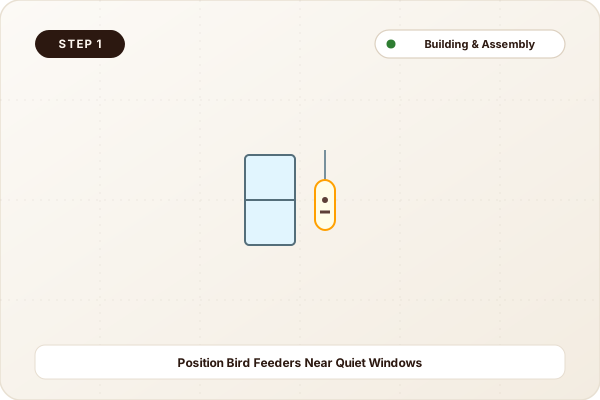
Position Bird Feeders Near Quiet Windows
Hang a seed feeder from a tree branch 10–15 feet from a living room window. Fill with black oil sunflower seeds that appeal to cardinals, chickadees, and finches.
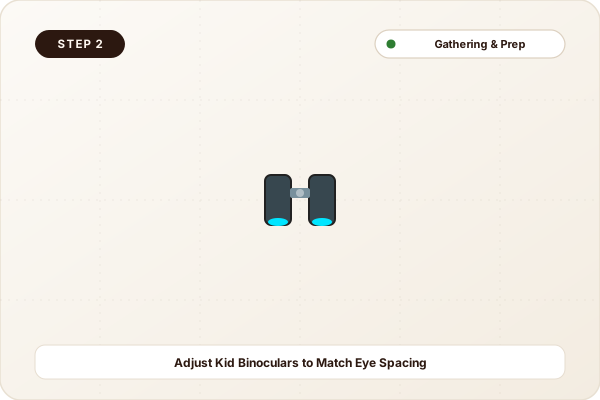
Adjust Kid Binoculars to Match Eye Spacing
Bend the center hinge of the binoculars until your child sees a single round circle through both eyepieces. Practice focusing on a stationary tree knot before tracking moving birds.
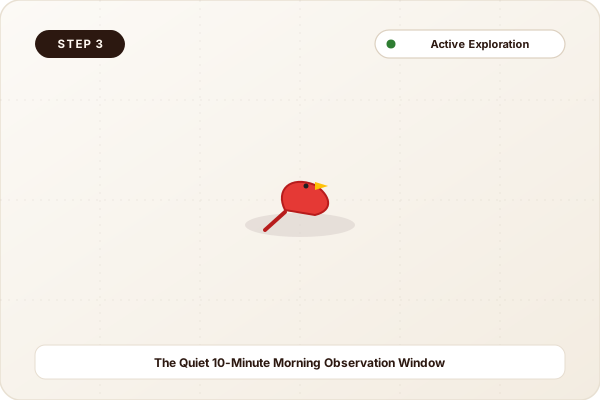
The Quiet 10-Minute Morning Observation Window
Sit quietly behind the window curtain around dawn or mid-morning when birds feed most actively. Listen for fluttering wings and morning territorial song choruses.
Record Sightings in the Avian Field Logbook
Draw the bird’s silhouette in a field notebook. Note down primary colors (red chest, yellow belly, blue crest), beak shape, and whether it feeds on the ground or feeder tray.
Decipher Songs with Acoustic Field Apps
Use sound identification tools to record backyard calls. Match chirps to spectrogram graphs and practice mimicking the whistle call back to the birds.
Clean bird feeders with warm diluted vinegar once a month to prevent avian disease transmission among wild flocks.
Fostering Autonomy & Calculated Risk
Birding teaches lifelong patience and environmental awareness. Children develop remarkable pride when they can instantly identify native birds by song alone.
More Outdoor & Garden Activities
View All 65
Sensory Nature Scavenger Hunts & Woodland Discovery Quests
Backyard Garden Scavenger Hunts: Micro-Ecosystem Detectives